Boostonlinepresenceandbrandawareness
Your website is often the first touchpoint for customers. We design sites that capture attention and communicate your brand message clearly.

Keyword research based on real search intent, benchmarked against what you already rank for. Page structures built from that research, so the pages you want found are the ones built to be found.
Clear answers near the top, clean structure, and real prose. We check what AI assistants currently say about your category, then write pages that answer the prompts being asked.
If Japan is part of your plan, both language versions are normally part of the project rather than an add-on, each written for its own audience rather than run straight through a translator. If it is not, we build the one and the price reflects it.
WordPress, Framer, or a custom front-end, handed over with training. We pick the platform around how often you publish and who maintains it, not around what we prefer.
Page structure follows how people actually decide, not how your org chart is drawn. Lead capture goes where the intent is, not only on the contact page.
Included in every project, not billed. We review what moved and hand you the next two or three things worth doing. Almost no project-based studio does this.
Remote by default, working with clients worldwide.
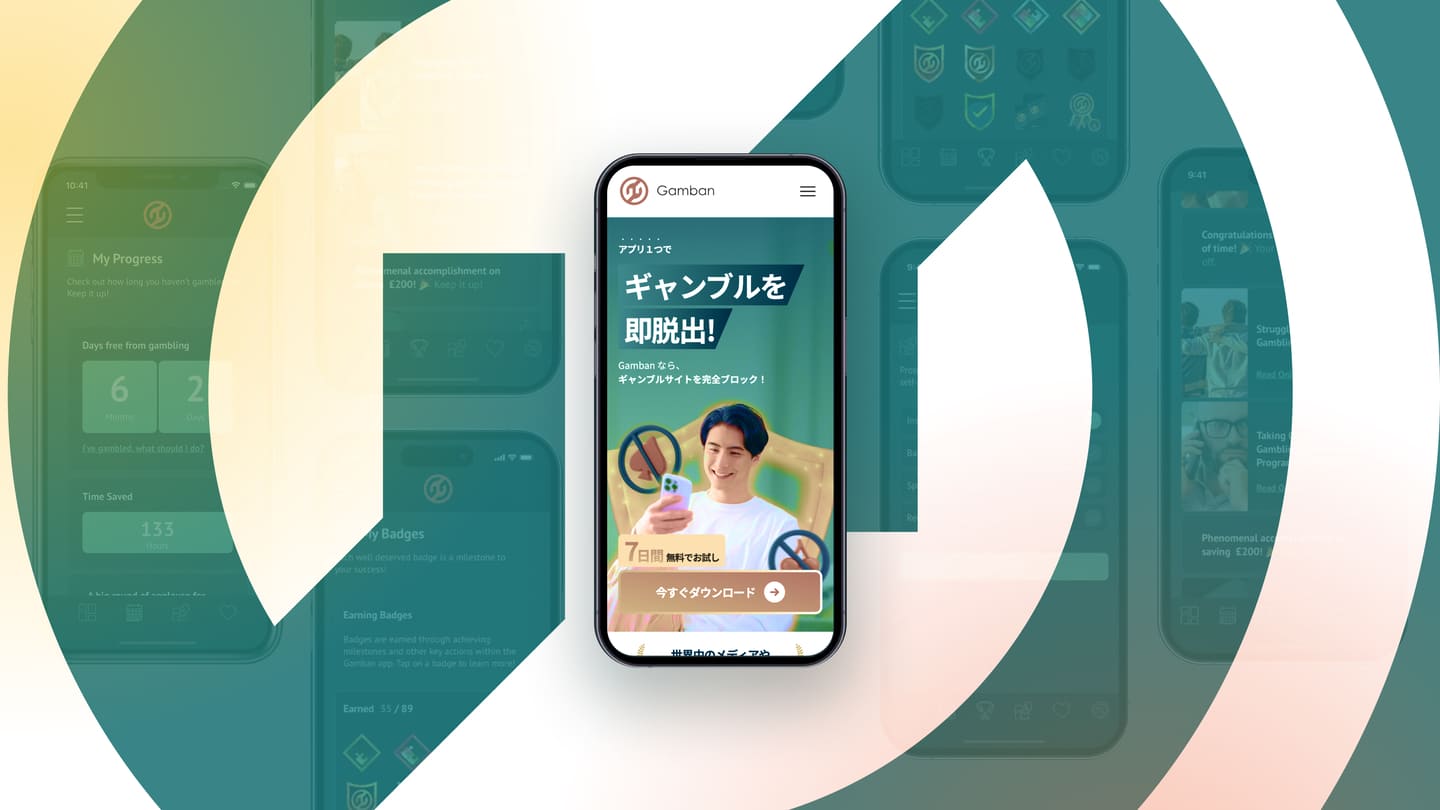
Case study
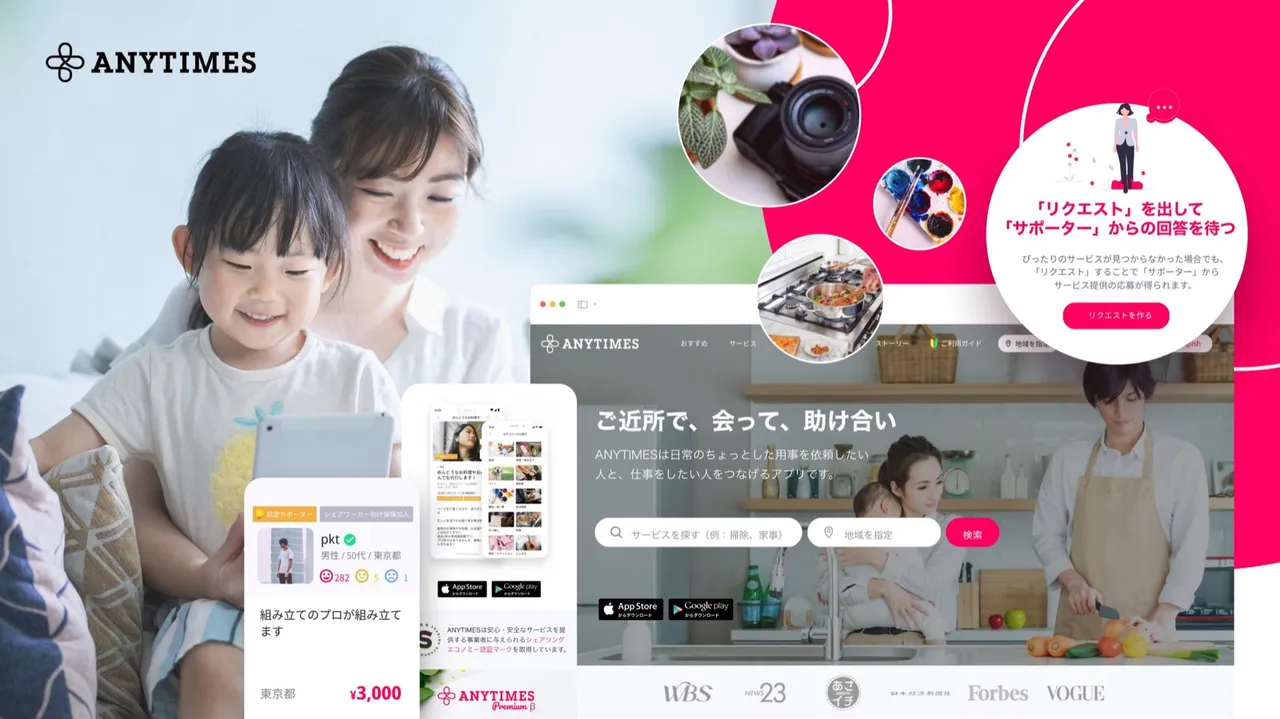
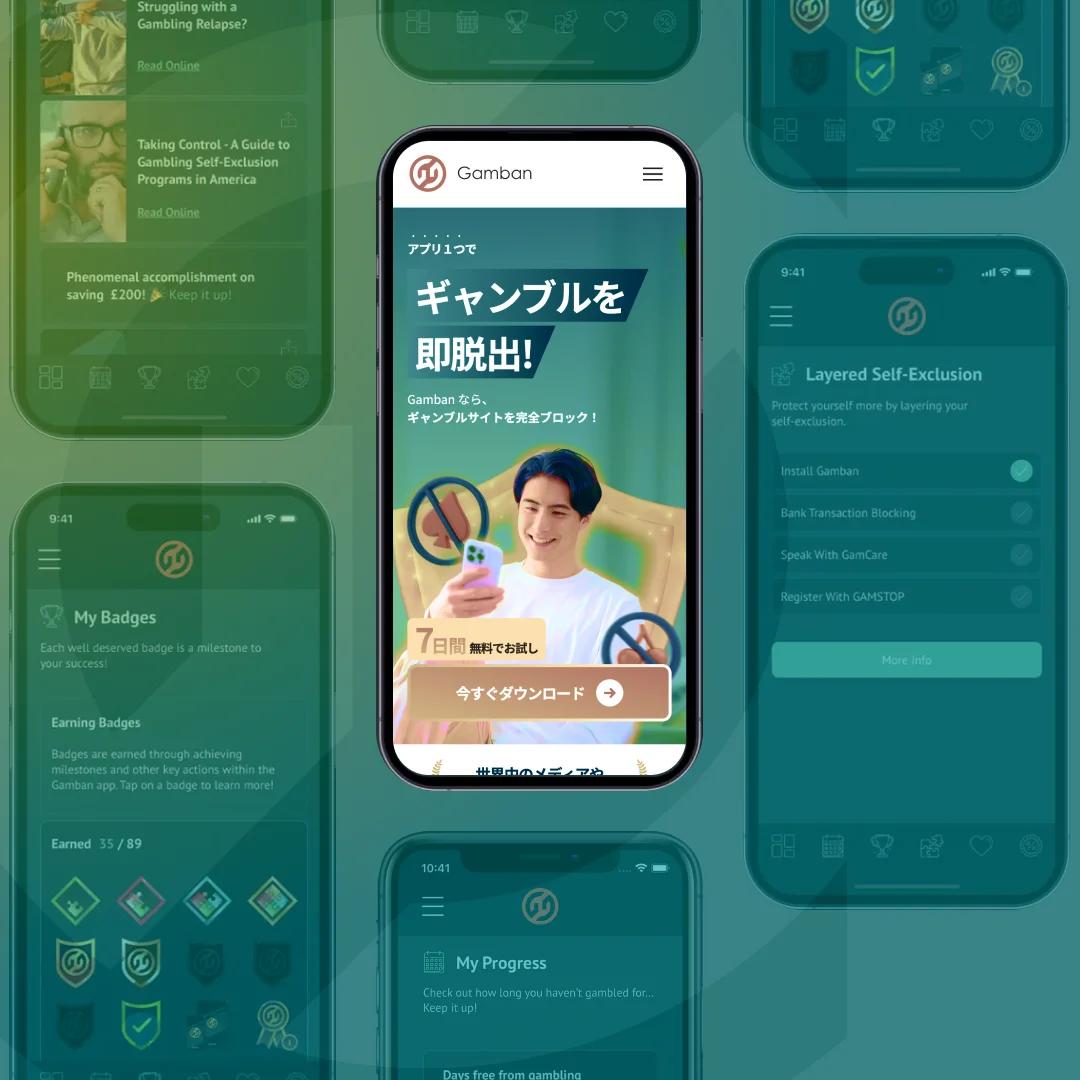
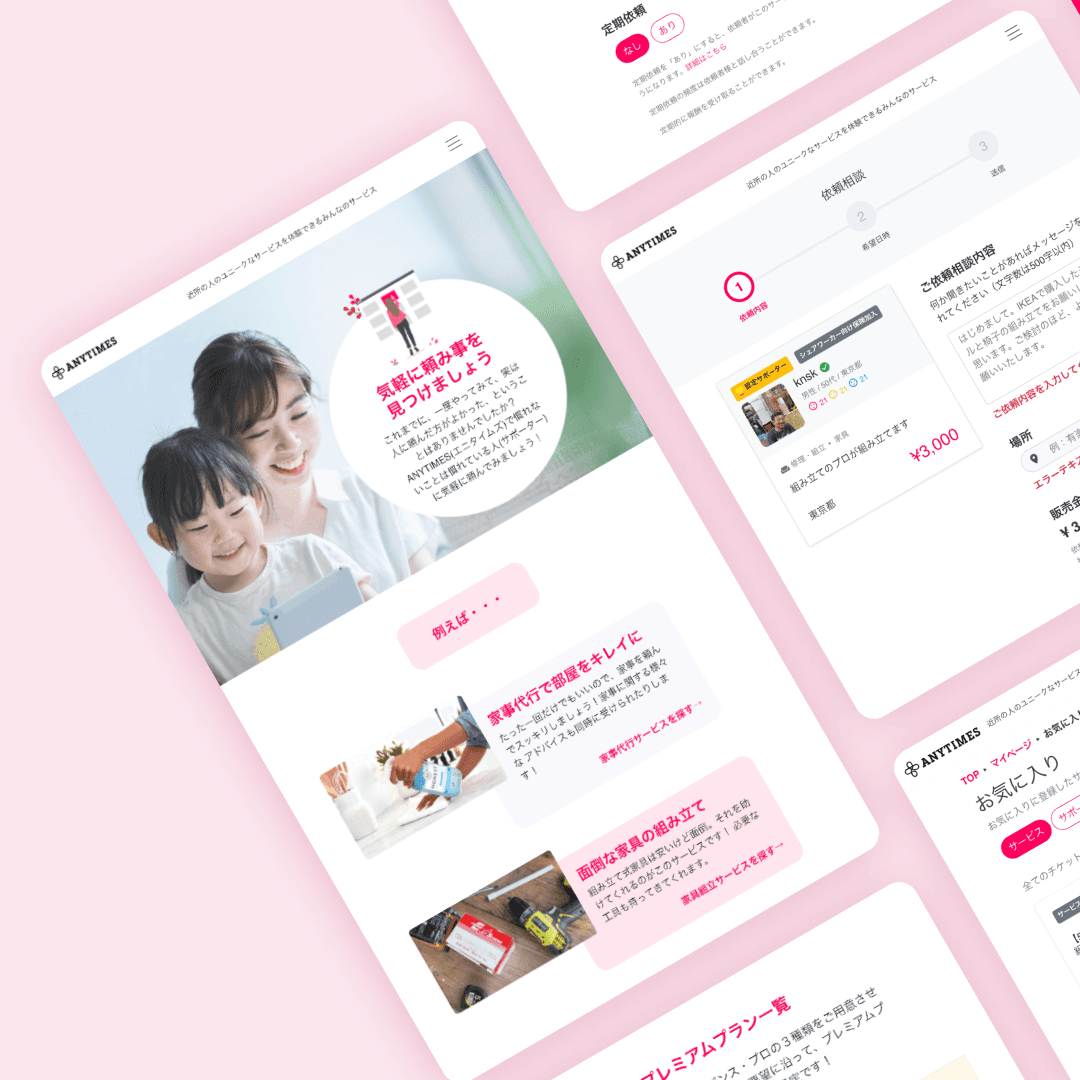
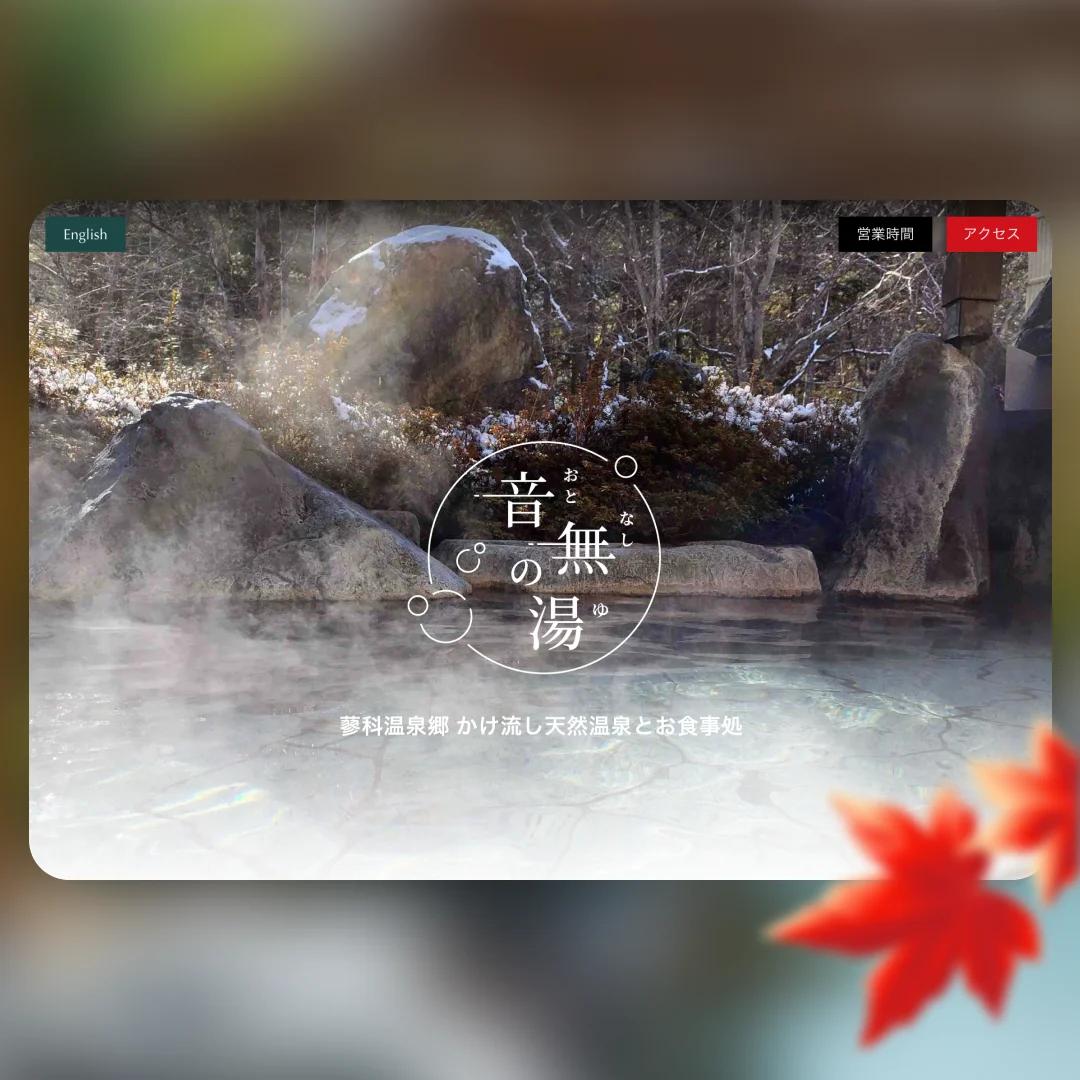
We helped Gamban enter the Japanese market with a culturally sensitive landing page.
View Case Study
Case study
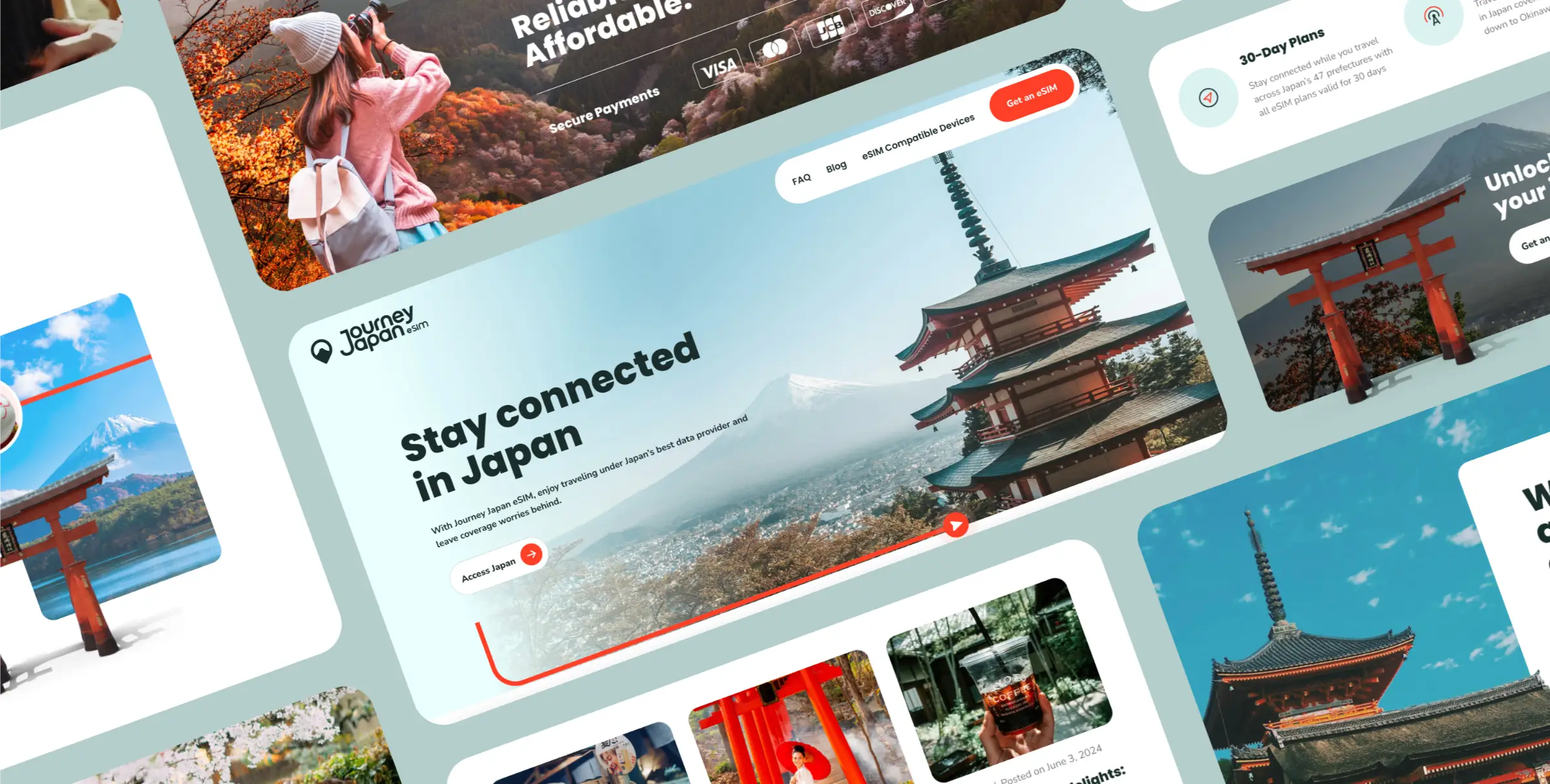
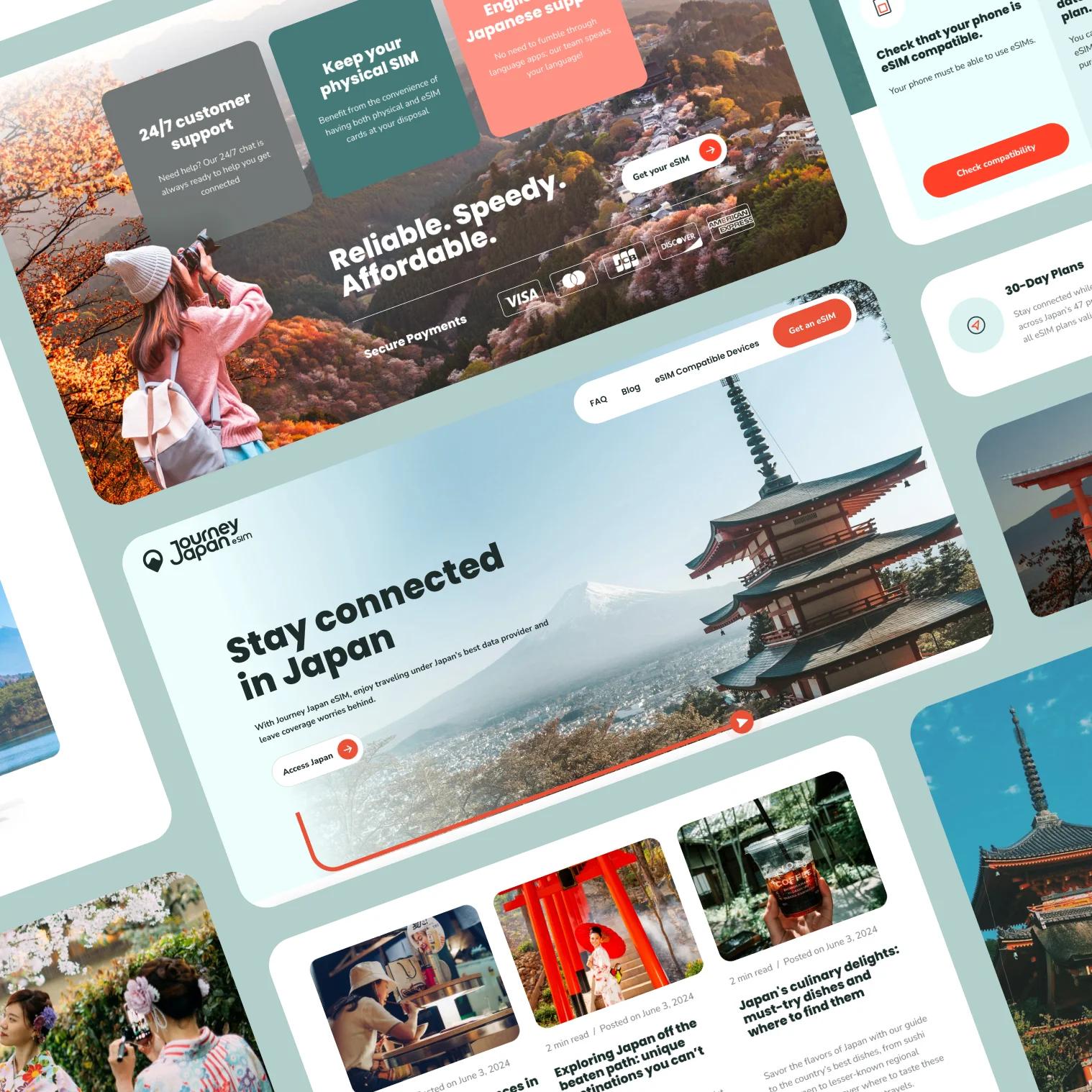
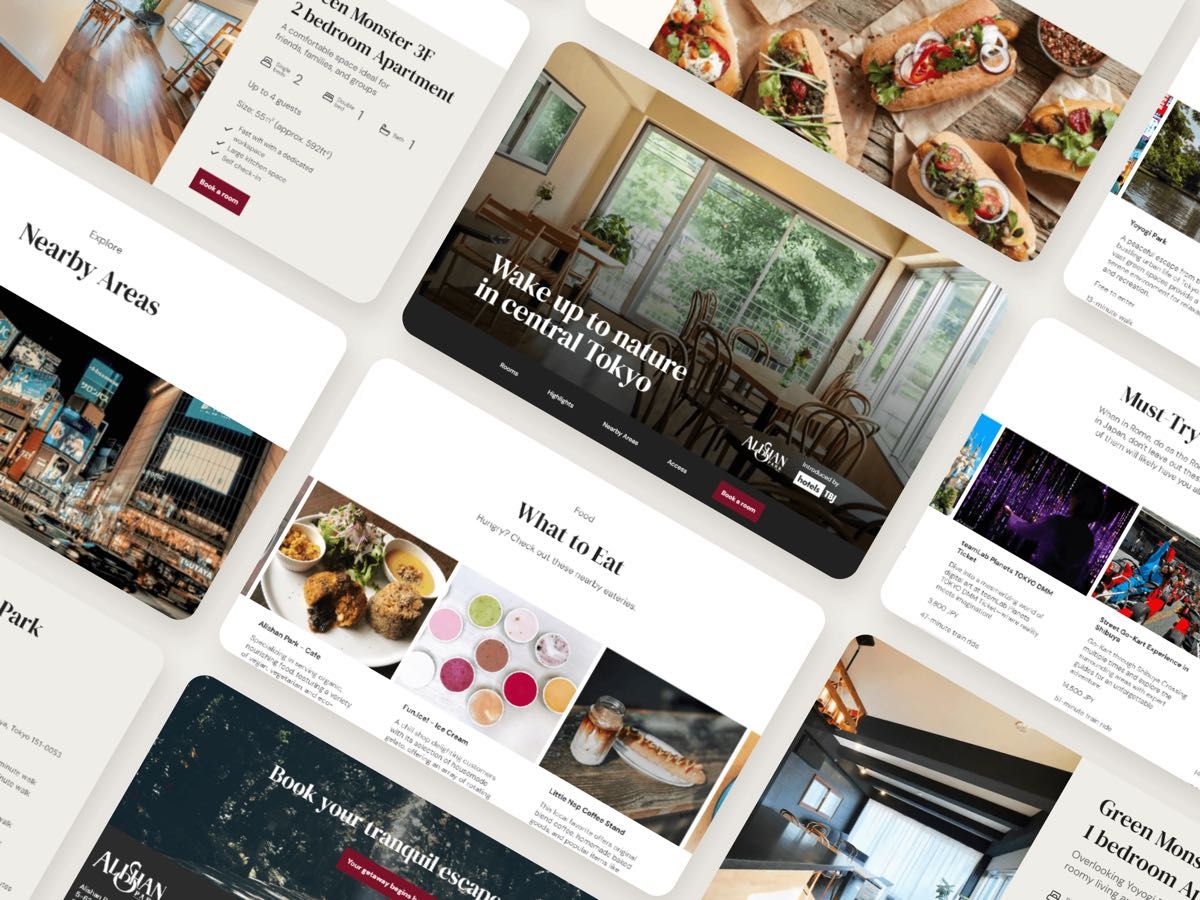
We created Besso Hotels' name, identity, and brand system through refined digital design.
View Case Study
Case study
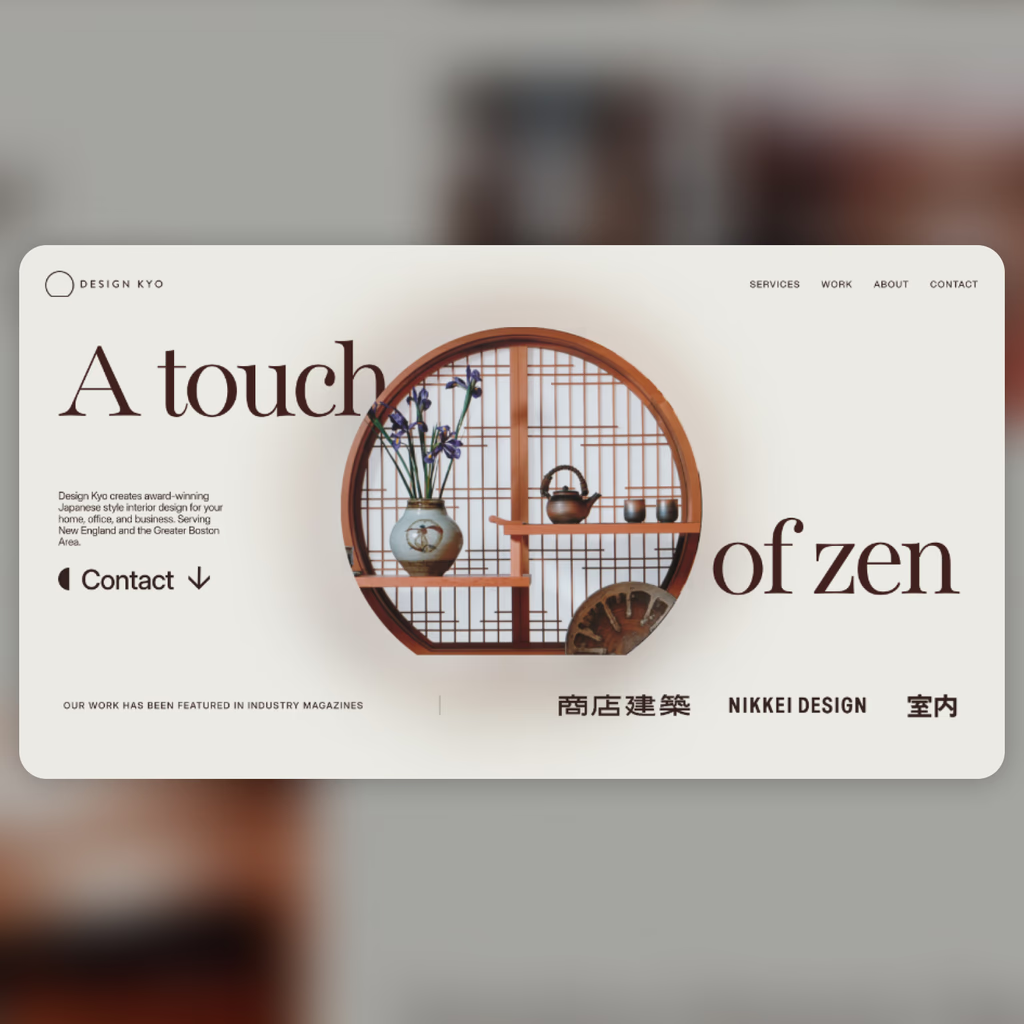
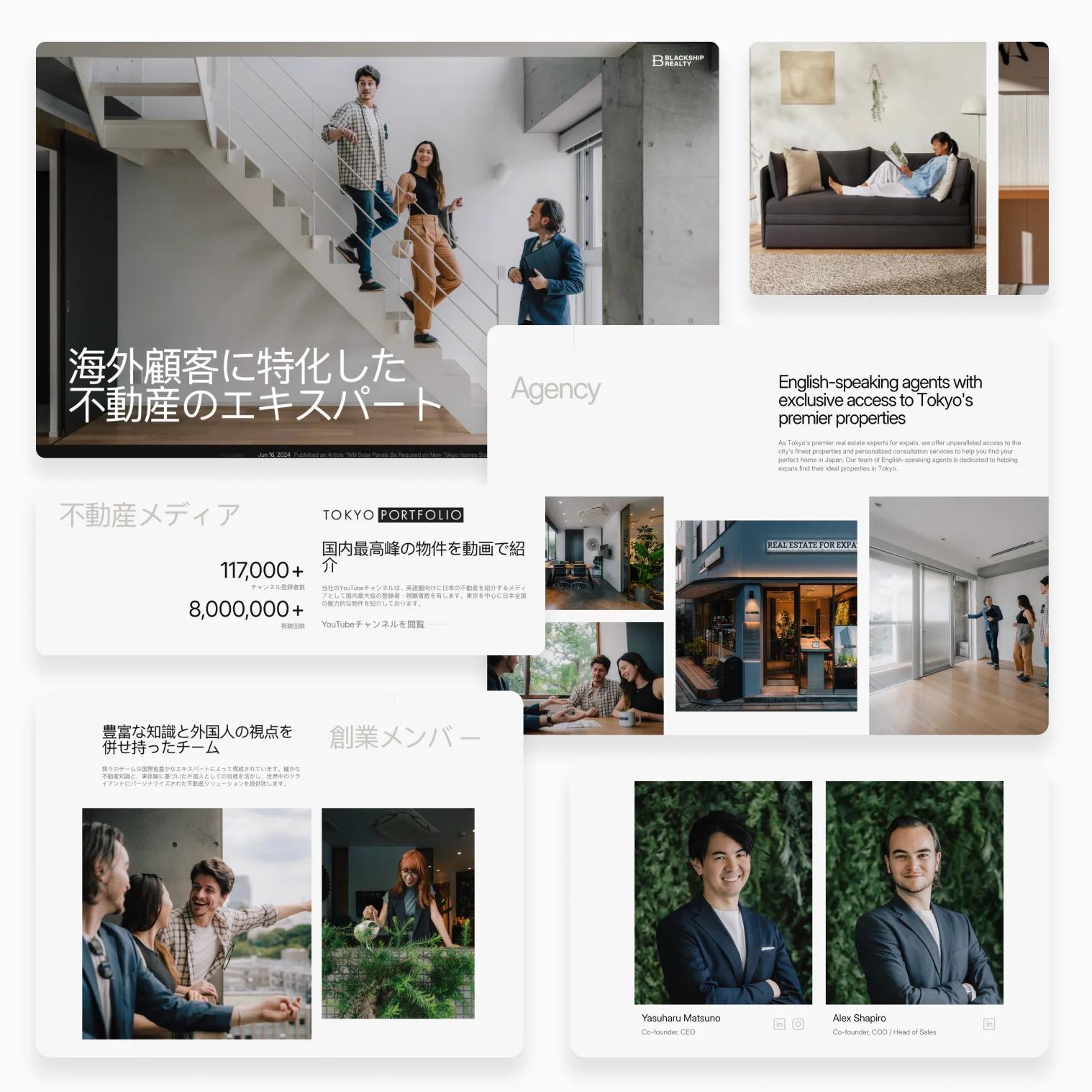
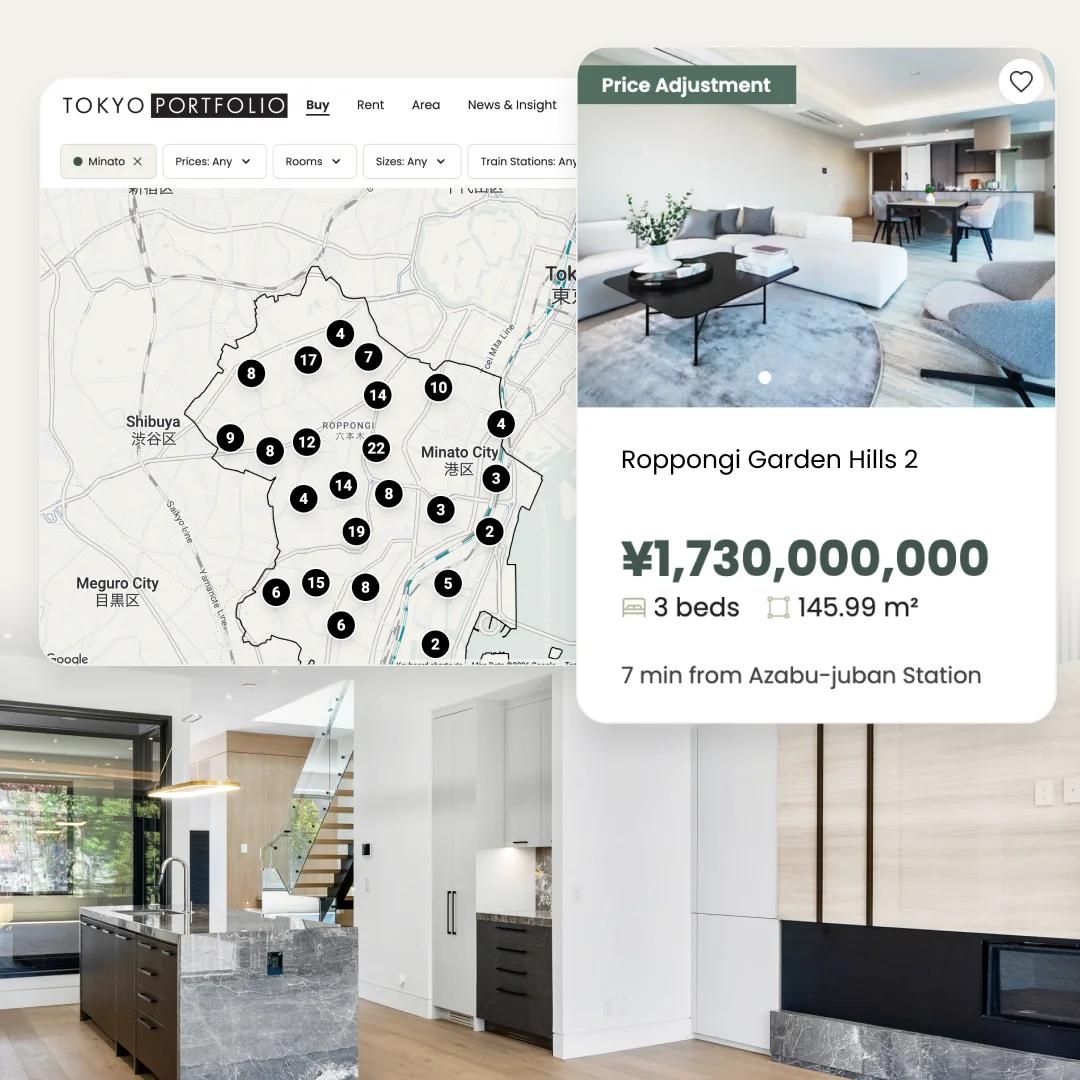
Visual identity and website design & development for luxury real estate company Blackship Realty, operators of popular high-end properties platform Tokyo Portfolio.
View Case StudySkydea was the dream team to work with. We used Skydea's service to build our website for our new cafe, shop, and event space. Many elements of the business were not exactly fixed causing delays to our overall website development however they were patient, and understanding throughout the whole process while executing all of our wishes for the website. Skydea will find a way to get your website the way you want it, promptly and most importantly in great spirit.
Skydea did everything from strategy to coding, and had excellent communication. They were not only fast but flexible, and we were able to massively improve our website's UX/UI and SEO. We're seeing SEO growth and it's only been a few months! We'd love to continue working together!
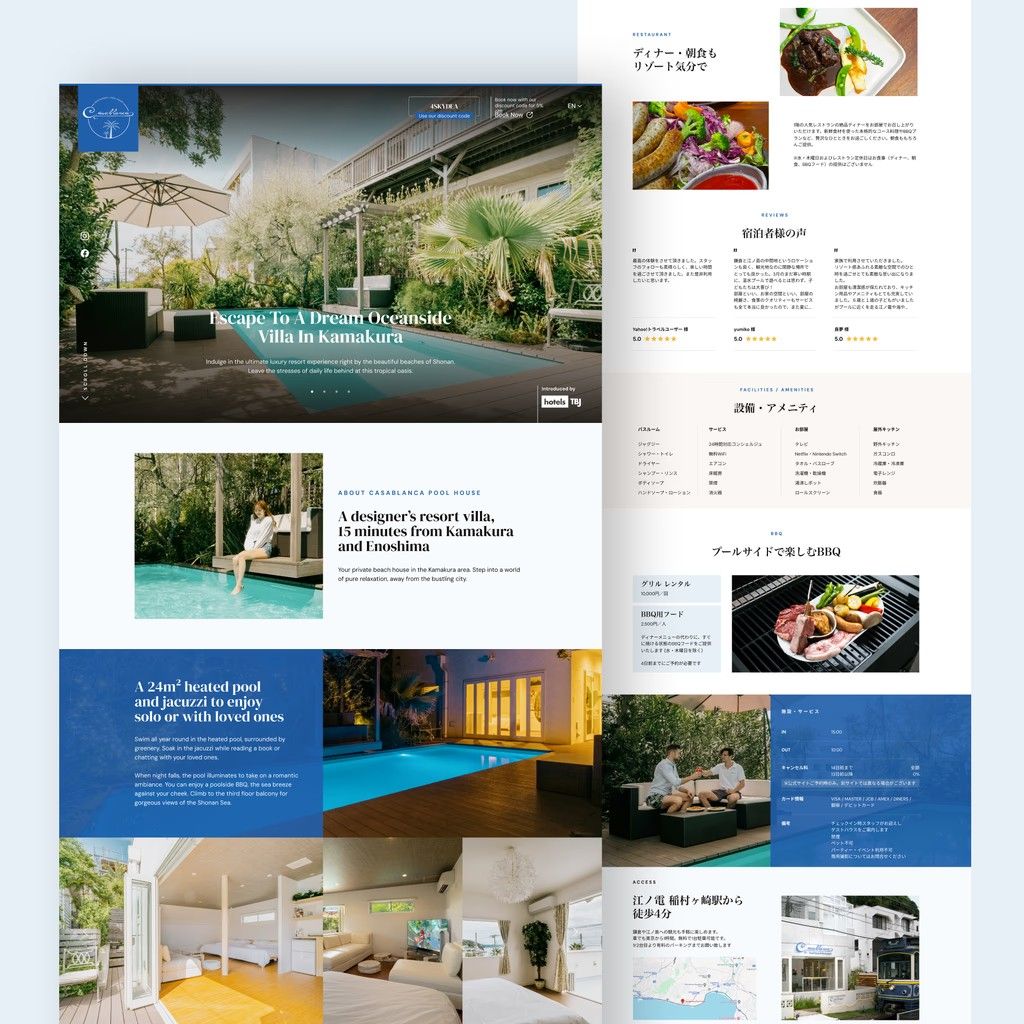
I'm delighted to share that our Tokyo Portfolio website has been thriving since its launch. The traffic has consistently been on an upswing, moving from nearly no visitors to a 30k views per month. We are aspiring to reach even higher goals.
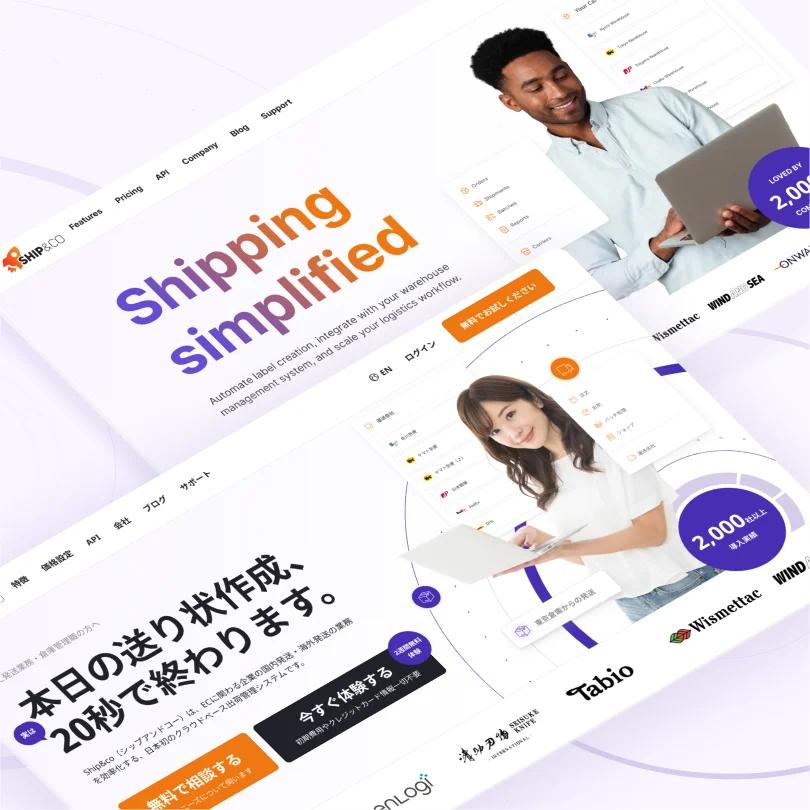
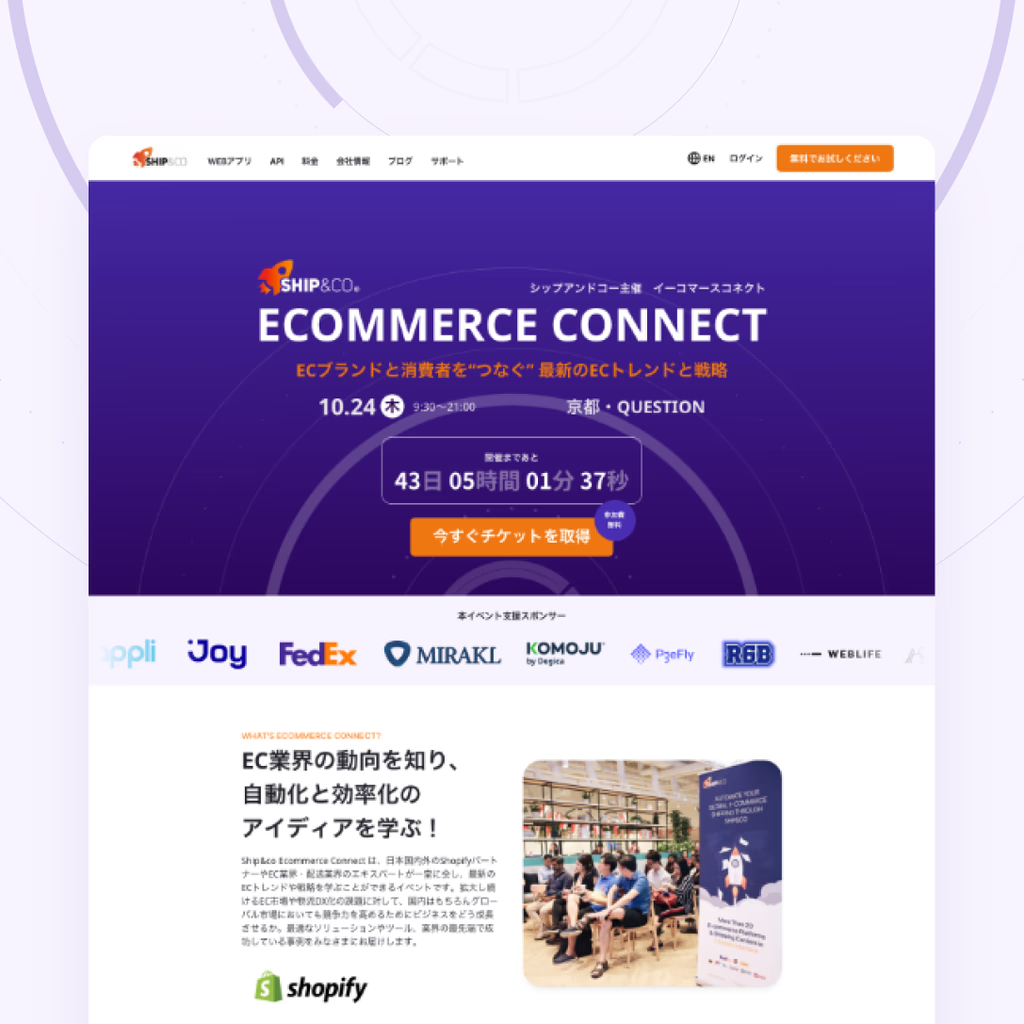
We are happy with the outcome, having received a site that is not only visually appealing but also versatile and user-friendly, allowing us to easily create landing pages and effectively showcase the Ship&co App. Our heartfelt thanks to the Skydea team for their great work.
This is the first time we've been able express ourselves so clearly.
Scope, roughly in order of impact:
A standard website runs 8–12 weeks. Branding alongside it can extend the timeline to 16.
“SEO from the first wireframe” sounds like a slogan, so here is what it actually means in practice. Before we design a page we work out what people search for on the way to buying what you sell, which of those terms you already have a foothold on, and which are realistically winnable. That research decides the site structure: which pages exist, what each one is for, and how they link to each other.
This has to happen at wireframe stage because structure is the one thing you cannot cheaply change later. Search engines understand a site through its architecture: which page is the authority on a topic, which pages support it, how they are linked. Decide that badly and the fix is a rebuild rather than an edit, which is why so many redesigns quietly lose the rankings the old site had.
Sites in more than one language add a second layer of problems that most studios discover late. Each version needs correct hreflang so the two do not compete with each other in search. The keyword sets are genuinely different too: search terms in one language are rarely direct equivalents of the other, and the intent behind them often differs. Build the second language as a straight translation and you inherit the first language’s keyword strategy, which is almost never what those searchers are typing. We see this most often with English and Japanese, but it holds for any pair.
Answer engines have changed what a page has to do. ChatGPT, Perplexity, and Google’s AI summaries cite pages that state things plainly and early. A page that opens with a mood line and makes the reader work for the answer gives them nothing to quote. So we put the answer near the top in full sentences, keep the important prose in the markup rather than behind tabs and accordions, and check what those assistants currently say about your category before we write anything.
None of this is a separate workstream or a line item on the invoice. It is how the pages get planned, and it is the reason we come back 90 days after launch to look at what actually moved.
Free website diagnostic
Answer 10 quick questions and get an honest score out of 100, plus exactly where you're losing people, and what to do about it. Takes about two minutes.